

 See My Latest Article on HelloNation
What Does It Mean to Have an Eco-Friendly Home in Grand Junction, CO?
Eco-friendly homes in Grand Junction aim to reduce resource consumption while staying comfortable in the area's semi-arid climate. This means using less energy and water, minimizing waste, and making choices that support the local environment.
Homes here can benefit from sustainability not just by helping the planet, but also by lowering monthly utility costs and improving long-term resilience, especially during hot, dry summers and chilly winters.
How Can Residents Improve Home Energy Efficiency?
Enhancing energy efficiency starts with a careful look at insulation, air sealing, and system performance.
- Check Insulation: Older homes often have wood-framed walls or attics with insufficient insulation. Adding modern, well-installed insulation keeps heat in during winter and out during summer, especially important for homes with large temperature swings between day and night.
- Seal Air Leaks: Use caulk or weatherstripping for gaps around windows, doors, and baseboards. Even small drafts can significantly impact heating and cooling needs.
- Upgrade Windows: Double- or triple-pane windows with low-emissivity coatings help keep heat and UV rays out during the intense afternoon sun, reducing strain on cooling systems.
- Consider Smart Thermostats: These devices adapt to your schedule, minimizing wasted energy when the house is empty. During the long, sunny days, set thermostats a bit higher in summer and lower in winter to reduce system cycling.
Which Water Conservation Methods Work Best for Area Households?
Grand Junction's low rainfall and periodic droughts make water conservation essential.
- Install Low-Flow Fixtures: Modern toilets, showerheads, and faucets use far less water without sacrificing function and are ideal for homes with older plumbing.
- Fix Leaks Promptly: Households often overlook slow leaks. Even a dripping faucet can waste hundreds of gallons each year, which can stress both local water supplies and increase bills.
- Choose Drought-Tolerant Landscaping: Instead of expansive lawns, residents often replace grass with native plants or xeriscaping that requires minimal irrigation. Drip irrigation systems are especially effective and widely used locally.
Can Lighting Choices Impact Environmental Footprint?
Switching to efficient lighting is a simple, low-cost improvement.
- Replace Bulbs with LEDs: These use a fraction of the energy that incandescent bulbs require and last much longer, reducing both costs and landfill waste.
- Use Timers and Motion Sensors: Automatic controls ensure that outdoor lights and little-used indoor spaces are lit only when necessary.
- Maximize Natural Light: Local homes with large windows and open layouts can make use of abundant sunlight, reducing the need for artificial lighting during the day.
How Should Residents Think About Indoor Air Quality and Health?
Sustainable choices can also keep indoor environments healthy.
- Select Low-VOC Materials: When painting or remodeling, opt for low- or zero-VOC (volatile organic compound) paints and finishes. These release fewer chemicals into indoor air, supporting respiratory health—especially useful during times when wildfire smoke or other outdoor pollution is present.
- Ventilate Wisely: Operable windows and passive vents let in fresh air while reducing reliance on mechanical ventilation. Use bathroom and kitchen fans to control humidity, helping prevent mold in this dry but sometimes dusty region.
- Keep Dust Down: Regularly clean vents, HVAC filters, and high-traffic areas. Fine dust is common in Grand Junction, especially in late summer and fall.

Are Renewable Energy Options Practical for Local Homes?
Harnessing local resources often starts with solar energy.
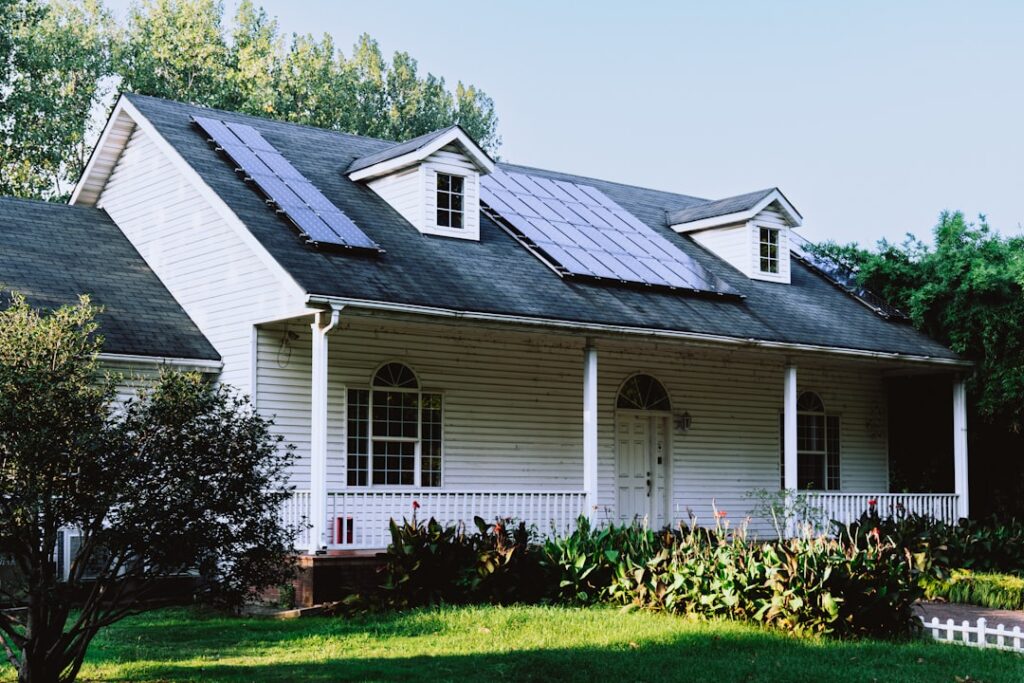
- Solar Panels: With many clear, sunny days, rooftop solar is an accessible option for much of the area, reducing dependence on traditional power grids and supporting local energy resilience. Community programs may be available for further information about installation guidelines and possible incentives.
- Solar Water Heating: These systems can supplement traditional hot water heaters and work well in the region’s sunny conditions.
- Check Local Regulations: The city may have specific requirements or resources for integrating renewables in homes, so review municipal guidelines before starting new projects.
What Are Simple Actions Residents Often Overlook?
Routine habits and minor tweaks can make a surprising difference.
- Unplug Devices: Electronics and chargers draw power even when turned off. Using power strips to shut down whole groups of devices at night or when away keeps “phantom” power use to a minimum.
- Recycle and Compost: Take advantage of local recycling programs and composting options for kitchen scraps and yard waste. Keeping organic material out of landfill reduces greenhouse gases and supports better soil health for gardening.
- Buy Less, Repair More: Before replacing household items, see if repairs or creative reuse could extend their life. Reducing waste doesn’t only mean recycling—it starts with making do and maintaining.
By focusing on practical upgrades, small lifestyle adjustments, and informed decision-making, area households can move steadily toward greener, more efficient homes that suit Grand Junction’s distinctive climate and community character.