

 See My Latest Article on HelloNation
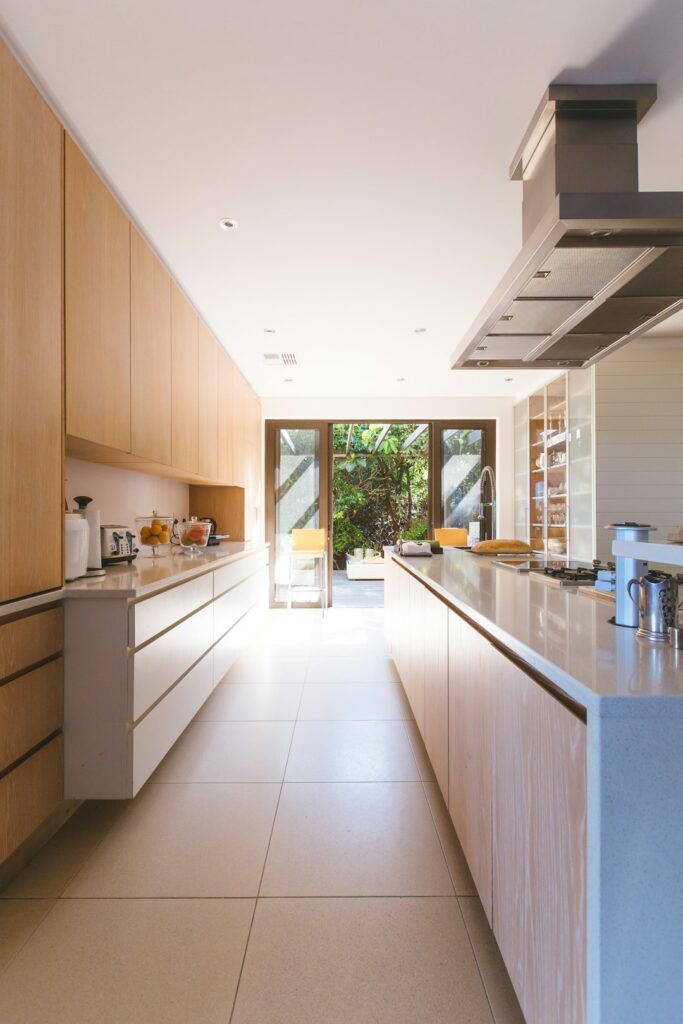
What Kitchen Styles Are Area Households Choosing Now?
Warm, inviting kitchen spaces are gaining favor among Grand Junction, CO residents who prioritize practicality as much as appearance. Instead of dramatic or ultra-modern overhauls, local remodeling is seeing a blend of classic comfort with subtle upgrades. Many households are favoring earth tones, matte finishes, and natural materials—especially wood cabinetry and stone countertops—that reflect the colors and textures found around the Western Slope.
Contemporary kitchens in the city rarely chase aggressive trends. Instead, the move is toward timeless layouts that support both daily routines and occasional gatherings. Homeowners value designs that will hold up for years while still looking fresh.
Are Sustainable and Low-Maintenance Materials Gaining Ground?
Sustainable decisions are on more remodeling checklists, but practicality usually leads the way. Residents are opting for durable surfaces that balance eco-friendliness with longevity, especially ones that withstand local dust and dry air. Quartz countertops, for instance, remain popular—not only for their look but also for their resistance to staining and scratching. Composite sinks, recycled glass tiles, and water-efficient faucets are chosen for both their environmental and lifestyle advantages.
When selecting cabinetry and flooring, area families are asking about finishes that are easy to keep clean in a high-traffic, dust-prone environment. Engineered hardwood and luxury vinyl plank are often picked for their resilience during muddy spring and windy fall seasons.
Misconception: Some assume “green” means costly or hard to maintain, but many sustainable materials today offer both affordability and everyday ease.
What Kinds of Storage Solutions Are Being Built In?
Residents are focusing on smarter, not just bigger, storage. Instead of oversized pantries, many recent remodels feature custom drawer dividers, pull-out spice racks, deep lower cabinets, lazy Susans, and dedicated sections for small appliances. These features make the most of space, keep kitchens clutter-free, and limit bending or stretching—helpful for homes spanning multiple generations.
Tall, shallow pantry cabinets and drawers are popular with those who like to see everything at once, reducing food waste. In smaller kitchens, vertical storage—like open shelving and ceiling-high cabinets—utilizes limited square footage effectively.
Practical tip: Before a remodel, many locals inventory their kitchen gear. This helps designers recommend storage that fits actual needs, not just standard templates.
Are Open Concept Layouts Still Popular in the Region?
Open floor plans remain desirable, especially in homes where kitchens double as family gathering spots. However, there’s a trend toward partial openness: some residents enclose parts of the kitchen or add half-walls and glass panels. This balances connected living while managing noise, cooking smells, and heat in the city’s dry climate.
Some households report that fully open kitchens can be challenging with kids, pets, or frequent guests. Partial separation provides both visibility and control, leading to a more flexible space.
What Appliance Trends Are Residents Considering?
Residents have grown more focused on appliances that save energy and fit into streamlined layouts. Induction cooktops, convection ovens, and energy-efficient refrigerators are common choices, often in muted finishes like matte black, stainless, or even panel-ready units that blend with cabinetry.
Smaller additional appliances are also gaining traction—think built-in coffee makers or under-counter microwaves—to clear valuable counter space.
Local context: Because energy bills remain a concern during both summer cooling and winter heating seasons, anything that keeps kitchen heat and energy use in check is regularly requested.
Is Smart Home Technology a Major Factor in New Remodels?

Smart tech is making a cautious, practical entrance into local kitchens. While full automation isn’t widespread, there’s growing interest in features like touchless faucets, under-cabinet lighting sensors, and WiFi-enabled ovens. Residents who travel often or work long hours appreciate these upgrades, which simplify routines or provide peace of mind.
However, most area households prefer simple, reliable solutions rather than full “smart home” ecosystems. Common misconception: Not every tech upgrade requires complex wiring or control panels—many standalone devices are easily added during a regular renovation.
How Are Lighting Decisions Shaping Remodels?
Natural light is always valued, especially given the area's abundant sunshine. Homeowners are expanding windows or installing skylights where possible. Under-cabinet and above-cabinet LED strips are also used to reduce shadows and add warmth. Layered lighting—combining pendants, recessed lights, and dimmable switches—makes kitchens adaptable to different needs during the day or seasons.
A frequently overlooked factor: The color temperature of bulbs makes a big difference in kitchen ambiance. Warmer lights support cozy meals, while cooler lights help with cooking tasks and highlight true colors on countertops.
What Challenges Do Local Homeowners Face During Kitchen Remodels?
Grand Junction’s unique climate can complicate kitchen choices. For example:
- Warped cabinetry and difficulty with wood flooring can stem from dry winters and big swings in humidity.
- Dust from seasonal winds may shorten the lifespan of some finishes or increase cleaning time.
- High UV levels fade some plastics and paint colors near windows or doors.
Residents who plan ahead often work with designers or suppliers familiar with these conditions. Choosing sun-resistant finishes, proper ventilation, and materials proven in similar climates makes a noticeable difference over time.