

 See My Latest Article on HelloNation
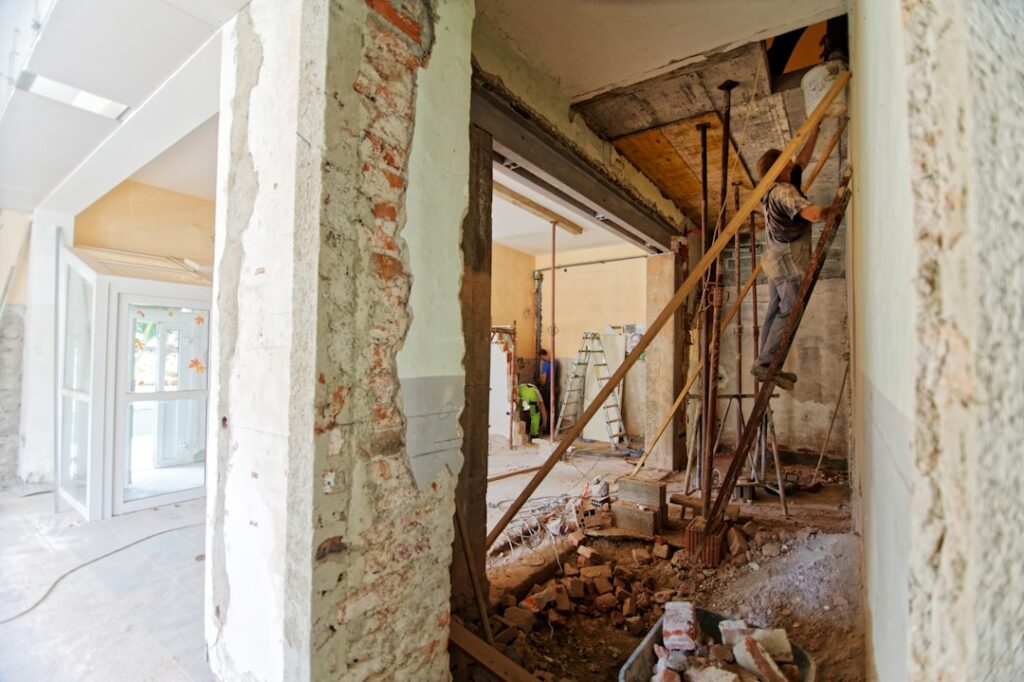
What Do “Renovation” and “Remodeling” Mean?
Residents often hear these words used interchangeably, but they have distinct meanings within construction.
- Renovation involves restoring, repairing, or updating existing elements of a structure without changing its core layout.
- Remodeling refers to altering a building’s structure, layout, or function—essentially reconfiguring spaces rather than just refreshing them.
Understanding which term matches your project affects building permits, timelines, budgets, and even which local codes apply in Grand Junction, CO.
What Is Renovation?
Renovation means making something look new again or repairing what already exists. In homes and businesses, this could involve:
- Repainting walls
- Replacing worn-out flooring
- Refacing cabinets
- Restoring weathered siding or brickwork
Nothing fundamental about the room’s function or arrangement changes; it’s largely cosmetic or addresses wear and tear.
A local example: After a long, dry summer and cold winter, many local property owners renovate exterior paint or repair older windows to improve energy efficiency. These tasks don’t involve new layouts; they refresh what’s there.
Common Renovation Scenarios in Grand Junction
- Modernizing a kitchen by updating faucets, backsplashes, and lighting
- Replacing original flooring in historic homes
- Repairing damage after a seasonal hailstorm
Renovations tend to have simpler approval processes, shorter timelines, and less disruption for area households and businesses.
What Counts as Remodeling?
Remodeling means making structural changes or adjustments to the floor plan. This goes beyond surface updates. Remodeling projects might include:
- Removing a wall to create an open-concept living area
- Converting a garage into an extra bedroom or office
- Reconfiguring a commercial space for a new type of tenant
Remodeling may require design work, detailed permits, or inspections, especially for changes involving plumbing, electricity, or load-bearing structures.
Local Remodeling Examples
- Turning a closed-off kitchen into a more open “great room” layout
- Adding a bathroom to a finished basement
- Combining multiple offices into a single suite for new business needs
Projects like these are less about repairing what’s faded and more about improving how the space functions for today’s needs.
Which Projects Need Permits or Approvals in Grand Junction?
Both renovations and remodels can require permits, but the threshold is different:
- Renovations usually need permits if they involve structural repairs, electrical rewiring, or changing major fixtures (like water heaters). Simple aesthetic changes usually don’t.
- Remodeling projects almost always need some sort of city permit, especially if altering structures, adding rooms, or changing use.
Checking local building codes is always recommended, as the requirements are updated periodically due to regional considerations like energy efficiency and wildfire mitigation.

Why Does the Difference Matter for Grand Junction Residents?
Knowing the distinction shapes planning, budgeting, and expectations:
- Scope and Complexity: Remodeling tends to cost more and take longer due to its structural nature. Renovations are usually quicker and can be less disruptive.
- Code Compliance: Remodels often prompt stricter code compliance for safety, accessibility, and energy standards in the city, especially in homes over a certain age.
- Property Value Effects: Large remodels may offer broader returns by adding bedrooms or modernizing spaces, but certain well-done renovations—like high-efficiency windows or drought-tolerant landscaping—can also have significant impacts, especially with the region’s climate and water concerns.
- Historic Homes: Many Grand Junction neighborhoods include older properties. Renovation may be preferred to retain original character, whereas remodeling can modernize while respecting historical guidelines.
Are DIY Projects Treated Differently?
Minor renovations (like painting, changing trim, or installing new fixtures) are commonly tackled by property owners. However, major remodels—such as load-bearing wall adjustments or reworking plumbing—typically require specialized oversight for legal and safety reasons. Unexpected findings, such as asbestos or outdated wiring, are more likely in remodels and should prompt consultation with local inspectors.
What Are Common Misconceptions?
- “Remodeling and renovating are the same thing.” Not true; only remodeling changes a structure’s fundamental layout.
- “Renovations never need permits.” Larger or system-related updates can trigger review by local authorities.
- “Remodeling is always better for resale.” Not necessarily; targeted, cost-effective upgrades can provide strong returns without the complexity of a full remodel.
- “Older buildings can’t be remodeled.” With proper planning, most structures in the area can adapt to new needs while respecting architectural history.
How Should Residents Decide Between Renovation and Remodeling?
Consider these questions:
- Am I looking to update the look and feel, or do I need the space to function differently?
- How long do I want the project to take?
- What’s my realistic budget range—including contingencies for older properties?
- Are there building codes, neighborhood covenants, or homeowner association rules I should check?
Seasonal conditions unique to Grand Junction, such as freeze-thaw cycles, long dry spells, and localized regulations around energy use, may also influence the final decision.
When residents understand these distinctions, it becomes easier to make informed, confident choices about improving their living or working space.