

 See My Latest Article on HelloNation
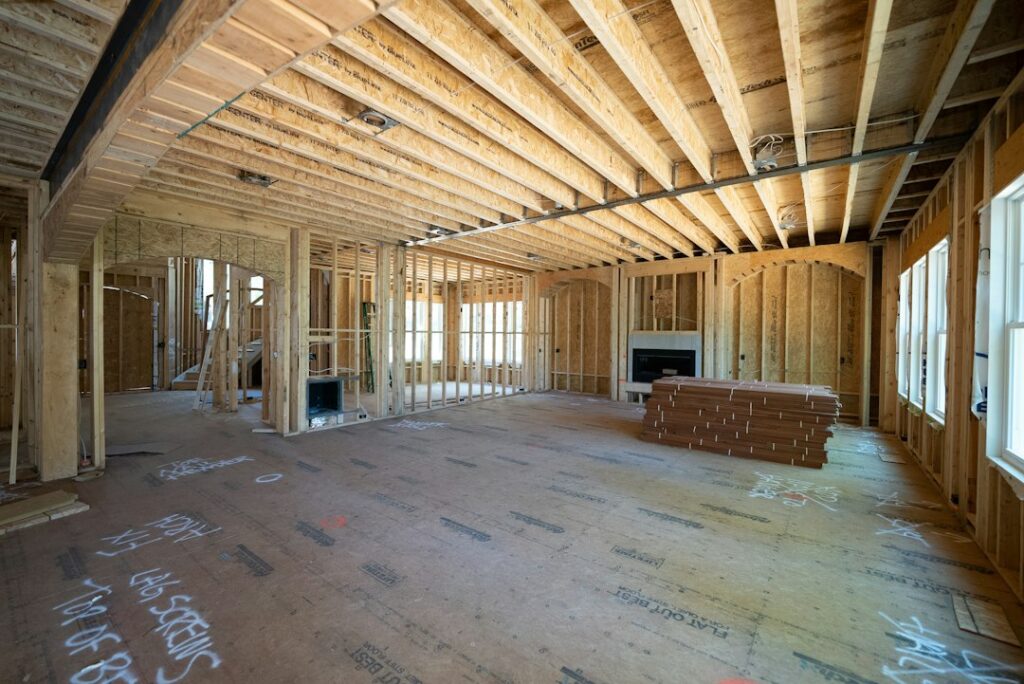
Renovating a home while continuing to live in it requires more than tolerating noise and dust. The work can affect sleeping arrangements, cooking, indoor air quality, pets, children, daily schedules, and access to essential utilities. A workable plan separates active construction from household life as much as possible and anticipates disruptions before they occur.
Is it realistic to remain in the house during a renovation?
Yes, many households can remain home during limited renovations, but the decision depends on the project’s location, duration, safety risks, and effect on basic utilities. A cosmetic update in one room is very different from removing walls, replacing electrical systems, repairing major water damage, or rebuilding several areas at once.
Living at home is more practical when:
- At least one clean, finished bathroom remains available.
- Sleeping areas can be separated from construction zones.
- The heating, cooling, water, and electrical systems will remain dependable.
- Dust, fumes, and debris can be contained.
- Work does not involve significant structural instability, hazardous materials, or extended utility shutdowns.
Temporary relocation may be safer when the project involves extensive demolition, lead-based paint or asbestos concerns, severe moisture damage, major gas or electrical work, or conditions that make the home difficult to secure. Households with infants, older adults, respiratory conditions, or mobility limitations may also need a more conservative plan.
How should the living space be divided?
Create a clearly defined “living zone” before work begins. This should include a sleeping area, bathroom access, food storage, basic seating, and a route to the outside that does not pass through active construction whenever possible.
The construction zone should be treated as a work area rather than an extension of the household. Keep tools, materials, debris, and temporary wiring inside that boundary. Doors, plastic barriers, and floor protection can help, but they do not replace safe work practices or proper ventilation.
A useful setup may include:
- A temporary kitchen with a microwave, compact refrigerator, electric kettle, and washable work surface.
- Covered pathways between the entry and the living zone.
- Plastic storage bins for clothing and household items.
- A designated location for shoes, coats, and dusty work clothing.
- A separate place for pets, children’s toys, and clean bedding.
In homes with open floor plans, it may be difficult to create complete separation. In that case, keeping construction concentrated in short work periods and using portable air filtration can reduce—but not eliminate—the spread of dust.
How can dust and indoor air problems be controlled?
Dust control starts with containment at the work area, not with cleaning after dust has already traveled through the house. Work zones should be isolated as much as the layout allows, and doors or barriers should remain closed when workers are not moving through them.
Residents should avoid sweeping fine construction dust, which can send particles back into the air. A vacuum designed for fine dust and damp wiping are generally more effective for routine cleanup. HVAC filters should be checked more often during dusty work, but the heating or cooling system should not be used to circulate air from an open construction area throughout the home.
For projects in the dry climate of Grand Junction, CO, open windows may seem like an easy solution. However, outdoor dust, wind, smoke, and seasonal temperature changes can make open-window ventilation unreliable. Ask whether the work requires specialized ventilation or air monitoring, particularly when coatings, adhesives, insulation, or old building materials are involved.
Odors can also linger longer than expected. Paint and solvents should be used only with appropriate ventilation, and sleeping in a recently coated room is not advisable until the space is adequately aired out and the product’s instructions allow occupancy.
What should residents do about noise and daily schedules?
Renovation noise is easier to manage when the schedule is predictable. Establish expected work hours, delivery periods, utility interruptions, and days when particularly loud work will occur. This helps residents plan remote work, rest, schoolwork, appointments, and pet care.
Demolition, cutting, drilling, and framing may create sudden noise and vibration. Sensitive equipment, artwork, dishes, and other fragile items should be moved away from shared walls or protected before work starts.
For people working from home, a quiet room may not remain quiet. Headphones can reduce ordinary background noise, but they should not be relied on near active construction because they may prevent residents from hearing warnings, alarms, or changes in the work area.
A written weekly schedule is useful, especially when several trades or phases are involved. The schedule should identify:
- Which rooms will be inaccessible.
- Whether water, power, heating, or cooling will be interrupted.
- Expected delivery and debris-removal times.
- The safest household entrance and exit.
- Any days when pets or children should be elsewhere.

How can a temporary kitchen and bathroom work better?
Temporary facilities should be planned around sanitation and convenience rather than appearance. Store food in sealed containers, keep clean utensils away from dust, and avoid preparing meals near construction materials. A small supply of easy-to-clean dishes can reduce the amount of washing during the project.
If the main kitchen is unavailable, identify where drinking water, handwashing, food preparation, and waste disposal will occur. Do not use a utility sink for food preparation unless it has been properly cleaned and is suitable for that purpose.
Bathroom access deserves special attention. If the only bathroom will be closed, even briefly, the household needs a specific alternative before demolition begins. A bathroom that is technically usable may still be unsuitable if workers must pass through it, if water service is intermittent, or if dust and debris cannot be kept out.
Plan for ordinary inconveniences such as limited outlets, reduced refrigerator space, missing cabinet storage, and a lack of laundry access. These small disruptions often become more frustrating than the visible construction itself.
How should children and pets be protected?
Children and pets should not enter active work areas, even when workers are not present. Nails, blades, uncovered openings, unstable materials, dust, and temporary electrical connections can remain hazardous after the workday ends.
Use physical barriers that cannot be easily moved or climbed. Store tools and chemicals out of reach, and keep debris in containers that do not create sharp or unstable piles. Pets may react to unfamiliar people, noise, odors, and open doors, so a quiet, secure room is often safer than allowing them to roam.
For households with young children, explain which areas are off-limits and why. Visual boundaries can help, but supervision remains necessary. Grand Junction households may also need to account for outdoor conditions: construction dust can enter through doors, and hot, dry weather can make pets more vulnerable if normal indoor routines are disrupted.
What should be done before demolition begins?
Before work starts, remove valuables, medicines, important documents, and sentimental items from nearby rooms. Photograph existing surfaces and belongings so that accidental damage or changes can be identified later.
Protect or relocate:
- Electronics and computers.
- Artwork, musical instruments, and photographs.
- Clothing and linens.
- Food, pet supplies, and children’s items.
- Furniture near shared walls or ceiling areas.
Confirm how debris will be removed and where materials will be stored. Walk through the home to identify water shutoffs, electrical panels, smoke alarms, carbon monoxide alarms, and emergency exits. Construction should not block required exits or make alarms inaccessible.
It is also wise to keep a small household kit available: flashlights, basic medications, chargers, bottled water, cleaning supplies, spare air filters, and a few days of simple meals. If a renovation unexpectedly exposes a leak, damaged wiring, mold, or another hazardous condition, residents may need to leave the area until it is made safe.
When is leaving the home the safer choice?
Leaving is usually the safer option when the home cannot maintain a clean sleeping area, functioning bathroom, reliable temperature control, or safe exit route. The same is true when airborne contaminants, major structural work, extensive demolition, or repeated utility failures make normal living impractical.
A renovation does not need to be large to create a serious risk. A small project can still become unsafe if it opens walls containing unknown materials, creates water damage, compromises a gas line, or exposes electrical components. Safety concerns and legal requirements take priority over convenience, and hazardous conditions should be evaluated by appropriately qualified personnel.
The goal is not to make renovation feel normal. It is to create a controlled boundary between construction and household life, preserve essential routines, and recognize early when the home is no longer a suitable place to stay.