
 See My Latest Article on HelloNation
What Is a Construction Project Timeline and Why Does It Matter?
A construction project timeline is a structured schedule that outlines every major phase and task between groundbreaking and completion. For residents of Grand Junction, CO, setting a practical timeline means understanding local permitting, weather, and resource availability. A clear sequence of work can prevent confusion, wasted days, and budget surprises.
A strong timeline answers key questions:
- What happens, and in what order?
- Who needs to be involved, and when?
- How long does each step reasonably take?
Projects without a plan often stall over simple oversights, such as missing a permit deadline or failing to sequence trades efficiently.
How Does the Local Climate and Season Influence Planning?
Timeline planning in Grand Junction must factor in the area's semi-arid climate, winter frost, and intense summer heat. Construction slows or pauses when the ground is frozen or during high winds and excessive heat spells typical in midsummer. For example, concrete pours and exterior framing are often avoided in late winter or midsummer afternoons. A local timeline works best if it aligns exterior work with the spring and fall and reserves indoor trades for winter months.
- Common weather delays to plan for:
- Heavy spring rains causing muddy or unstable soil
- Fluctuating temperatures impacting curing times for concrete
- Summer heat speeding up material drying, which can affect finishes
Which Permits and Approvals Affect Scheduling?
Every major construction project in Grand Junction requires permits, inspections, or approvals from local authorities. Waiting until the last minute can put projects on hold for weeks. Permitting steps may include zoning verification, building permits, utility notifications, and various inspection appointments.
- Before scheduling major milestones, find out:
- Which permits are required for your type of project?
- What is the average review time?
- Can plan checks, inspections, or applications overlap with other phases?
Some residents underestimate review times, particularly during the construction "busy season." Checking with local agencies early in the planning process is often the difference between a smooth timeline and one that stalls at critical points.
How Do You Break Down a Construction Timeline into Phases?
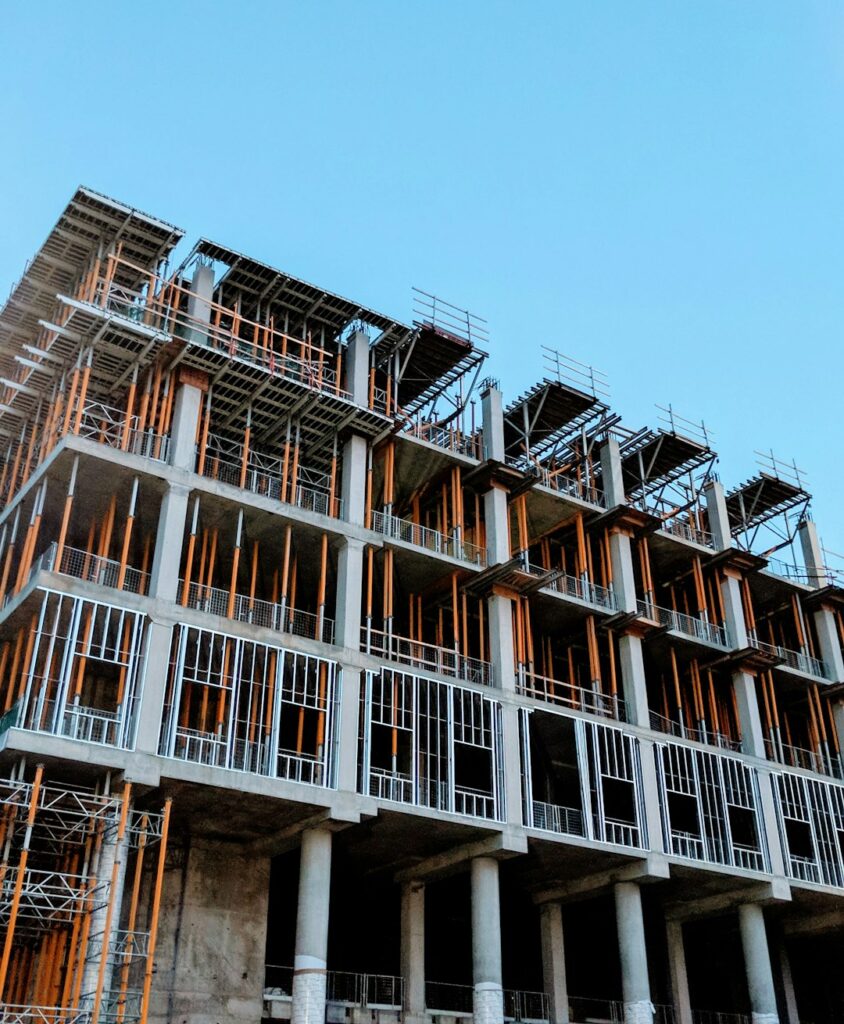
Breaking a project into logical phases—site prep, foundation, framing, systems (like plumbing and electrical), finishes, and final inspection—helps everyone stay on track. Start with a list of all tasks, then put them in order, noting which can happen in parallel and which are dependent on others being completed first.
Sample phases for a local residential project might look like:
1. Site preparation (grading, staking, utility marking)
2. Foundation work (excavation, footings, concrete pour)
3. Framing and structural assembly
4. Rough-in (plumbing, electrical, HVAC installation)
5. Insulation and drywall
6. Interior finishes and paint
7. Final inspections and punch lists
Factor in lead times for inspection bookings, material delivery, and contractor schedules for each phase.
What Common Delays Can Disrupt a Timeline?
Even careful plans are vulnerable to unexpected slowdowns. Some of the most frequent disruptions in local projects include:
- Delays in permits or inspection approvals
- Material shortages or shipping delays to the region
- Schedule conflicts with trade specialists
- Unpredictable weather
- Change orders (alterations to the design or scope after work begins)
Building buffers between phases—such as a few days of “float time” to absorb minor delays—is more realistic than aiming for a day-by-day schedule with no flexibility.
How Can Communication Improve the Timeline?
Keeping everyone—from homeowners to subcontractors—informed helps avoid wasted time, confusion, and rework. Whether working with a single builder or organizing trades independently, clear communication on who is expected where, and when, keeps the sequence moving forward.

- Practical ways to boost coordination:
- Weekly check-ins or status updates
- A shared physical or digital schedule
- Written, agreed-upon milestones for every phase
Evaluate communication not just between you and the contractor, but among all individuals involved, including inspectors, suppliers, and utilities.
What Tools or Documents Should Local Residents Use?
Many Grand Junction residents rely on simple calendars, spreadsheets, or printable checklists to map out their construction schedule. For larger or more detailed projects, Gantt charts—a type of bar chart showing project tasks and timeframes—are especially useful. They make dependencies clear and help visually coordinate overlapping work.
Keep these documents updated and easily accessible; physically posting them at the job site can reduce questions and keep everyone aligned.
Are There Tasks Often Overlooked When Planning Timelines?
Several important steps are missing from many first-time project timelines:
- Time needed for demolition, site cleanup, and interim safety inspections
- Grace periods for inspection sign-off before moving to the next phase
- Adjusting for holidays or civic events, which can close local offices or delay deliveries
- Lead times for ordering specialty items (like custom windows) not always stocked locally
Rushing or skipping these can result in unexpected gaps and slowdowns.
What Should Grand Junction Residents Ask Before Finalizing a Timeline?
Before locking in or sharing a project schedule, review these questions:
- Are all permitting and approval times realistic for your location and season?
- Is the plan flexible enough to handle minor weather disruptions?
- Are trade specialists, deliveries, and inspections lined up in workable sequence?
- Is time reserved for rework or troubleshooting if an issue comes up?
Experienced locals often build in a modest contingency period at the end, providing a buffer before planned move-in or use.